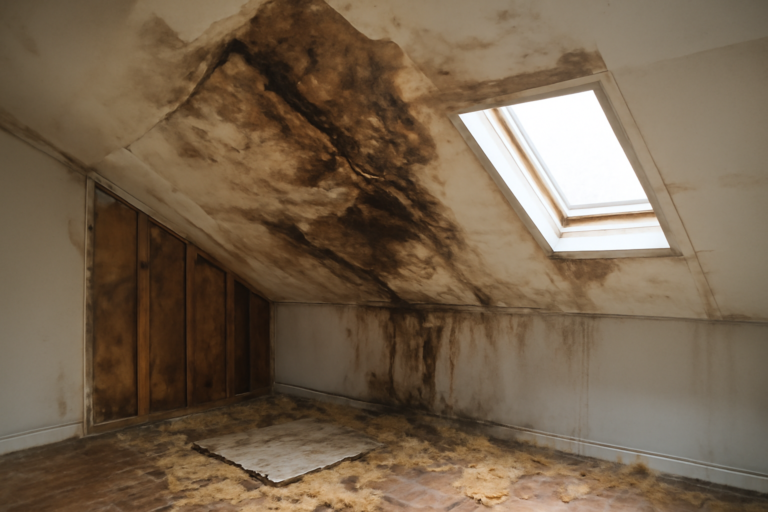
Trusted by 195+ Homeowners
Thermal Imaging Leak Detection in Kimberly, ID
- Over 195 5-Star Reviews
- Free Estimates and Quotes
- 100% Satisfaction Guaranteed
- Child, Family & Pet Safe Steps
- 24-Hour Emergency Service
- Fully Licensed & Insured

Water Damage in Kimberly, ID: What Winter Brings
Kimberly, ID is known for its cold winters, with temperatures often dipping below freezing. When this happens, water pipes in homes around the area can freeze and burst, causing costly water damage. You might not even notice it happening until you come home to find water gushing everywhere. Our team has seen it happen time and time again, a burst pipe can cause up to 2 inches of standing water in a matter of minutes, leading to significant damage and potential health risks. That’s why it’s essential to be proactive about identifying and fixing leaks before they become major problems.
With over 165 five-star reviews from satisfied customers, you can trust our team to help you with your Thermal Imaging Leak Detection needs. We’ve earned the trust of homeowners in the area by providing top-notch service and a commitment to customer satisfaction.
- Early detection of leaks saves you money and reduces the risk of mold growth.
- Thermal Imaging Leak Detection helps identify leaks behind walls and under flooring, where they can be harder to detect.
- Our team uses specialized equipment to pinpoint the source of the leak, ensuring efficient and effective repairs.
How Our Thermal Imaging Leak Detection Process Works
When you contact our team, we’ll send a certified technician to your property to assess the situation. We use thermal imaging cameras to scan for leaks, and if we find any, we’ll immediately start working on a repair plan. Our goal is to provide a thorough and efficient service that gets your home back in order as quickly as possible.
Step 1: Inspection and Assessment
Our technician will arrive at your property and begin by inspecting the affected area. They’ll use thermal imaging cameras to scan for leaks and identify the source of the problem. This step usually takes around 30 minutes to an hour, depending on the size of the area.
Step 2: Leak Detection
Once the technician has identified the leak, they’ll use specialized equipment to pinpoint the source and extent of the damage. This might involve using a thermal imaging camera to capture a detailed image of the area. This step usually takes around 15-30 minutes, depending on the complexity of the leak.
Step 3: Repair and Drying
Once the technician has identified the leak, they’ll begin the repair and drying process. This might involve fixing or replacing damaged pipes, drywall, or flooring. Our team will work efficiently to get your home back in order as quickly as possible.
Step 4: Final Inspection and Cleanup
Once the repair and drying process is complete, our technician will conduct a final inspection to ensure that the issue has been fully resolved. They’ll also take the time to clean up any mess left behind and ensure that your home is safe and secure.
Don’t wait until it’s too late, contact our team today to schedule your Thermal Imaging Leak Detection service. We’ll work with you to identify the source of the leak and provide a thorough and efficient repair plan to get your home back in order.

Warning Signs You Need Thermal Imaging Leak Detection
Early detection of leaks can save you money and reduce the risk of mold growth. Here are some warning signs that you need Thermal Imaging Leak Detection:
Musty Odors That Won’t Go Away
If you notice a persistent musty odor in your home, it could be a sign of a leak behind a wall or under flooring. Don’t ignore it, contact our team to schedule a Thermal Imaging Leak Detection service.
Water Stains on Walls or Ceiling
If you notice water stains on your walls or ceiling, it could be a sign of a leak. Don’t wait until it’s too late, contact our team to schedule a Thermal Imaging Leak Detection service.
Warped or Buckled Flooring
If you notice warped or buckled flooring, it could be a sign of a leak under the floor. Don’t ignore it, contact our team to schedule a Thermal Imaging Leak Detection service.
Increased Water Bills
If you notice an increase in your water bills, it could be a sign of a leak somewhere in your home. Don’t wait until it’s too late, contact our team to schedule a Thermal Imaging Leak Detection service.
Water Sounds or Leaks Behind Walls
If you notice water sounds or leaks behind walls, it could be a sign of a major issue. Don’t ignore it, contact our team to schedule a Thermal Imaging Leak Detection service.
Visible Water Damage
If you notice visible water damage, such as standing water or warping, it’s time to act fast. Contact our team to schedule a Thermal Imaging Leak Detection service and get your home back in order.
Thermal Imaging Leak Detection vs. DIY: When To Call a Professional
| Situation | DIY? | Call a Pro? | Why |
|---|---|---|---|
| You’re comfortable with DIY projects and have experience with leak detection. | Yes | No | DIY can be cost-effective, but professional help may be necessary for more complex leaks. |
| You notice a small leak behind a wall or under flooring. | No | Yes | Small leaks can quickly become major problems if left unchecked, and a professional can identify and repair them quickly and efficiently. |
| You notice a large leak with significant water damage. | No | Yes | Large leaks need immediate attention and specialized equipment to repair and dry the affected area. |
| You’re unsure about the source or extent of the leak. | No | Yes | A professional can use thermal imaging cameras and other specialized equipment to identify the source and extent of the leak. |
| You have a complex plumbing system or multiple leaks. | No | Yes | Complex plumbing systems and multiple leaks need specialized expertise and equipment to repair and restore. |
| You’re concerned about mold growth or health risks. | No | Yes | A professional can identify and mitigate mold growth and health risks associated with water damage. |
Don’t wait until it’s too late, contact our team today to schedule your Thermal Imaging Leak Detection service. We’ll work with you to identify the source of the leak and provide a thorough and efficient repair plan to get your home back in order.
Thermal Imaging Leak Detection Cost In Kimberly, ID
The cost of Thermal Imaging Leak Detection varies depending on the severity and size of the affected area, as well as local conditions in Kimberly, ID. Here are some estimated price ranges for different aspects of the service:
| Service | Typical Price Range | What Affects Cost |
|---|---|---|
| Leak Detection | $500 – $2,500 | Severity and size of the affected area |
| Repair and Drying | $1,000 – $5,000 | Complexity and extent of the damage |
| Final Inspection and Cleanup | $200 – $1,000 | Size and complexity of the affected area |
| Thermal Imaging Camera Rental | $500 – $2,000 | Duration and complexity of the inspection |
| IICRC Certification | Free | Our team’s expertise and professionalism |
Exact pricing depends on an on-site assessment and a free estimate is available upon request.
Service Areas Near Kimberly, ID
We serve the following nearby communities: Ashton, Bliss, Butte City, Culdesac, Dover, Driggs, Dubois, Fairfield, Firth, Fort Hall, Henry, Idaho Falls, Inkom, Iona, Island Park, Jefferson, Lemhi, Mackay, Malad City, Montpelier, Moreland, Pocatello, Ririe, Rigby, Roberts, Saint Anthony, Salmon, Shelley, Springfield, Swan Valley, Terreton, Ucon, Victor, Wallace, Wardell, and Yellowstone National Park.
Common Questions About Thermal Imaging Leak Detection
Q: Is Thermal Imaging Leak Detection expensive?
A: The cost of Thermal Imaging Leak Detection varies depending on the severity and size of the affected area, as well as local conditions in Kimberly, ID. But, our team offers a free estimate and works with you to identify the source of the leak and provide a thorough and efficient repair plan to get your home back in order.
Q: Can I use a DIY kit to detect leaks?
A: While DIY kits can be cost-effective, they may not be effective in identifying all types of leaks, especially those behind walls or under flooring. A professional can use thermal imaging cameras and other specialized equipment to identify the source and extent of the leak.
Q: Is Thermal Imaging Leak Detection safe?
A: Yes, Thermal Imaging Leak Detection is a safe and non-invasive process that uses thermal imaging cameras to detect leaks. Our team is trained and certified to use this technology, and we take all necessary precautions to ensure your safety and the safety of your property.
Q: How long does Thermal Imaging Leak Detection take?
A: The time it takes to complete Thermal Imaging Leak Detection depends on the complexity and extent of the damage. But, our team works efficiently to get your home back in order as quickly as possible, and most repairs can be completed within 3-5 days.
Q: Do I need to evacuate my home during Thermal Imaging Leak Detection?
A: In most cases, you won’t need to evacuate your home during Thermal Imaging Leak Detection. But, our team will take all necessary precautions to ensure your safety and the safety of your property, and we may recommend temporary relocation in extreme cases.
Check Our Other Relevant Services
- Trim & Baseboard Replacement After Water Damage in Kimberly, ID
- Drywall Water Damage Repair in Kimberly, ID
Serving Kimberly, ID And Nearby Areas