
Introduction
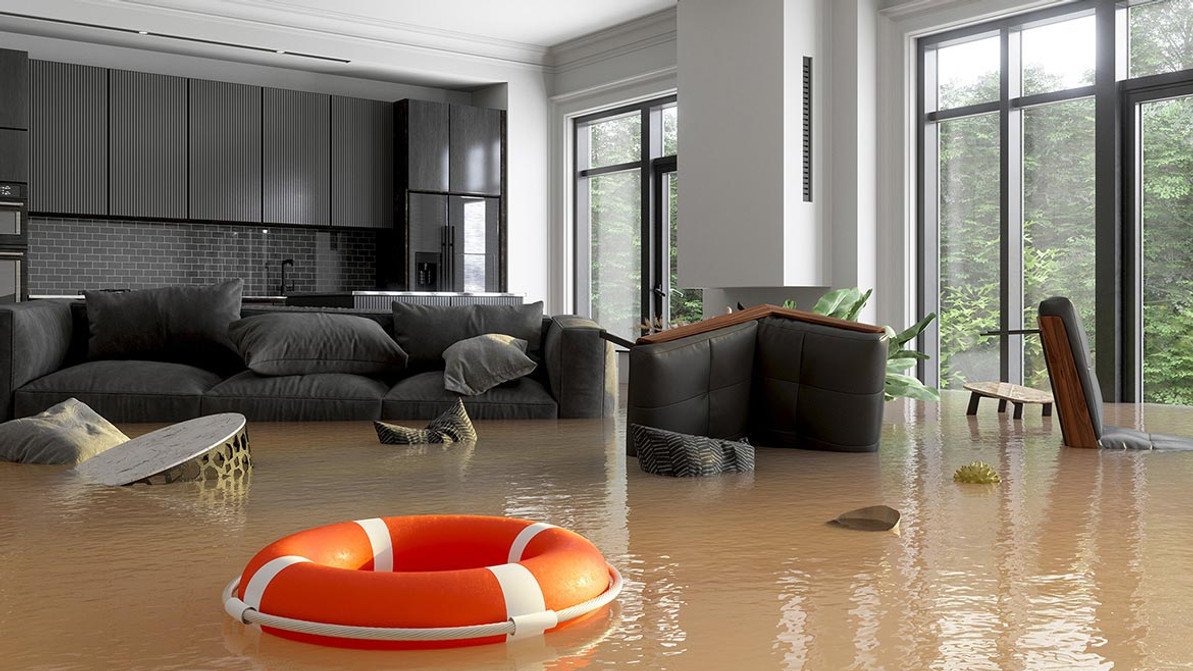
Dealing with a flooded home is one of the most stressful experiences a property owner can face. Floodwater doesn’t just damage floors and walls; it infiltrates your home’s structure, belongings, and even your peace of mind.
The aftermath can feel overwhelming and, without professional help, you may not know where to start.
This is where flood restoration specialists come in. They are trained professionals who know exactly how to transform a water-damaged property back to its pre-flood condition quickly and safely.
With specialized tools, advanced technology, and industry knowledge, these experts ensure your home or business is restored efficiently and effectively.
In this guide, we will explore the types of flood damage, the critical steps in professional flood restoration, and why hiring certified specialists is always the best approach.
Understanding Flood Damage
What Happens During a Flood
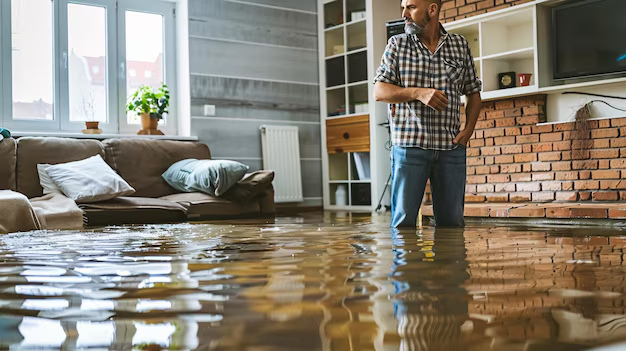
Floods do far more than just soak your floors. Water seeps into drywall, warps wood, damages insulation, and can even compromise the foundation.
When water is left untreated, it can quickly deteriorate the structural integrity of your property. Electrical systems, furniture, and personal belongings are also at risk.
Floodwaters can create hidden problems, including mold growth, corrosion, and long-term structural issues.
Even when water is removed, residual moisture can continue to damage walls, floors, and ceilings. Identifying the extent of damage quickly is critical to prevent secondary damage and high repair costs.
Different Types of Water Damage
- Clean Water: Comes from sources such as broken pipes or rainwater. It is the least contaminated but still requires timely removal.
- Grey Water: Water from washing machines, dishwashers, or sinks. It contains some contaminants and poses moderate health risks.
- Black Water: Highly contaminated water from sewage or floodwaters. It is extremely hazardous and requires professional handling to prevent serious health risks.
Immediate vs Long-Term Damage
Immediate damage is visible and can include soaked carpets, ruined furniture, and damaged walls.
Long-term damage is less obvious but can be more serious, including mold growth, wood rot, and weakened foundations. Ignoring these issues can lead to costly repairs and potential health risks.
Who Are Flood Restoration Specialists?
Skills and Certifications
Flood restoration specialists are highly trained professionals. They often hold certifications from the Institute of Inspection Cleaning and Restoration Certification (IICRC), which ensures they follow industry standards and best practices. They undergo regular training to stay current with the latest restoration techniques, health and safety guidelines, and equipment operation.
Tools of the Trade
Restoration specialists use equipment that is far beyond what homeowners have access to. These include:
- High-powered water extractors
- Industrial-grade dehumidifiers
- Thermal imaging devices to detect hidden moisture
- Air movers to circulate dry air
- Moisture meters to measure levels inside walls and floors
These tools allow professionals to quickly assess, remove, and dry water while preventing long-term damage.
Difference Between Restoration and General Contracting
General contractors focus on building or remodeling homes. Flood restoration specialists, on the other hand, focus on salvaging a home from disaster. Their goal is to restore the property safely, following health regulations, and prevent further structural and environmental damage.
Step-by-Step Flood Restoration Process
Step 1: Emergency Contact and Assessment
Time is critical after a flood. Specialists like Boise DryNest offer 24/7 emergency services. Once called, they respond immediately to assess the extent of the damage, identify water types, and determine what needs to be removed or restored.
Step 2: Water Extraction and Drying
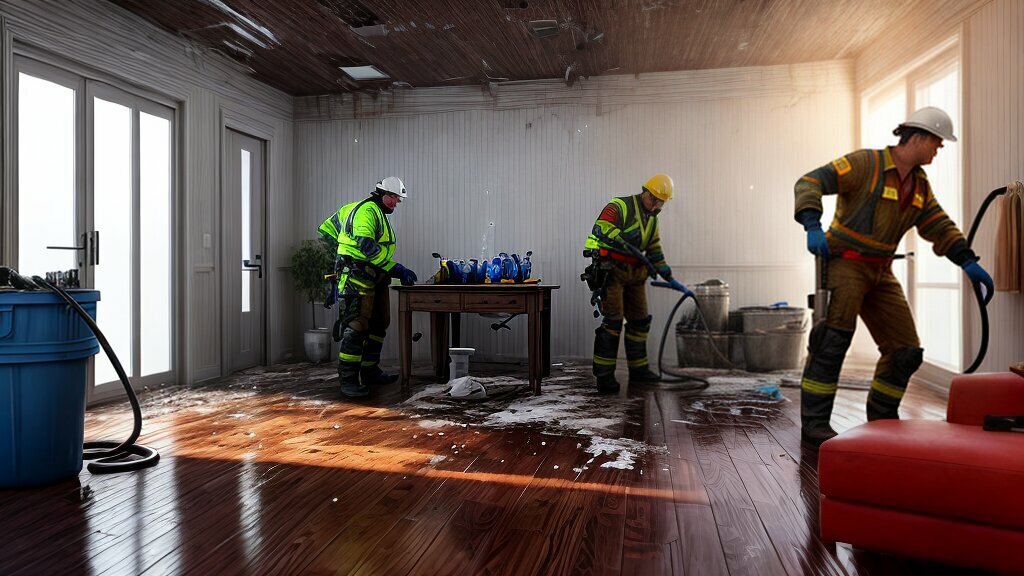
Specialists use high-capacity pumps and vacuums to remove standing water. Quick water removal is essential to prevent further structural damage and mold growth. The drying process begins immediately, targeting floors, walls, and any hidden areas where moisture may linger.
Step 3: Dehumidification and Monitoring
Industrial dehumidifiers and air movers are deployed to remove moisture from walls, ceilings, floors, and the air. Specialists continuously monitor humidity and moisture levels to ensure the area is completely dry, preventing secondary damage.
Step 4: Cleaning and Sanitizing
Floodwater, especially grey and black water, contains bacteria and other harmful microbes. Professionals clean, disinfect, and sanitize all affected surfaces, including walls, floors, and furniture. They also use antimicrobial treatments to prevent mold and bacterial growth.
Step 5: Restoration and Repairs
The final step is restoring the property. This can include:
- Replacing drywall and insulation
- Installing new flooring
- Repainting walls
- Repairing structural elements Restoration ensures the property returns to a safe, livable condition, often exceeding its original state.
Advanced Technology Used in Flood Restoration
Infrared Cameras
Infrared cameras detect hidden moisture behind walls, under floors, and in ceilings. This helps prevent mold growth and future structural damage.
Industrial Dehumidifiers
These machines are far more powerful than household units and are designed to remove large volumes of moisture quickly.
Moisture Meters
Used to measure moisture levels in materials and monitor the drying process, ensuring no hidden wet areas remain.
Health Risks of Ignoring Flood Damage
Mold Growth
Mold can begin to grow within 24 to 48 hours. It can cause allergic reactions, respiratory problems, and other health issues. Left untreated, mold can spread rapidly and cause extensive damage.
Structural Weakness
Water can weaken beams, joists, and foundations, compromising the safety of your home. This damage may not be visible until it becomes severe.
Electrical Hazards
Water and electricity are a dangerous combination. Flooding can damage wiring, creating fire and electrocution hazards if not addressed by professionals.
Why Professional Flood Restoration Beats DIY
Speed and Efficiency
Professional crews can complete restoration faster using specialized tools and methods that are not available to homeowners.
Cost-Effective in the Long Run
DIY restoration often misses hidden damage. Hiring professionals prevents expensive future repairs and ensures all damage is addressed.
Insurance Coordination
Specialists know how to document damage and work with insurance adjusters to ensure claims are maximized and processed efficiently.
The Role of Insurance in Flood Restoration
Working With Adjusters
Restoration experts help document damage with photos, moisture readings, and detailed reports, making the insurance claim process smoother.
Documentation and Proof of Damage
Accurate documentation ensures all damages are accounted for, reducing the risk of underpaid claims.
Getting the Most from Your Policy
Professionals understand policy details and help avoid gaps in coverage that could lead to out-of-pocket expenses.
Local Focus: Why Boise Homeowners Trust Boise DryNest
- Experience With Idaho Weather and Flooding: Local expertise ensures a faster and more effective response.
- Fast Response Times: Immediate action minimizes damage.
- Customer Testimonials: Consistently praised for professionalism, attention to detail, and effective restoration.
How to Choose the Right Flood Restoration Company
- Reviews: Look for consistent praise for timeliness and communication.
- Licensing and Insurance: Verify that the company is fully licensed and insured.
- Transparent Pricing: Get clear, upfront estimates with no hidden fees.
Preparing for Future Flooding
Waterproofing Your Basement
Install sump pumps, seal cracks, and use waterproof membranes to prevent water entry.
Installing Flood Sensors
Modern sensors detect water early and can alert homeowners before serious damage occurs.
Emergency Response Plans
Prepare a plan with a contact list, important documents, and a go-to restoration company.
Common Myths About Flood Restoration
- “It’s Just Water, It’ll Dry on Its Own” – False. Hidden moisture causes structural damage and mold growth.
- “Bleach Will Kill All Mold” – Ineffective on roots and certain mold types.
- “You Can Save Money By Doing It Yourself” – Often leads to higher costs due to missed damage.
Costs Involved in Flood Restoration
Average Pricing Ranges
Costs typically range from $1,000 to $10,000+, depending on severity and affected area.
Factors That Influence the Cost
- Size of the affected area
- Water contamination level
- Time elapsed before cleanup
Hidden Costs to Watch Out For
- Mold remediation
- Structural repairs
- Electrical work
Environmental Impact of Professional Restoration
Eco-Friendly Cleaning Products
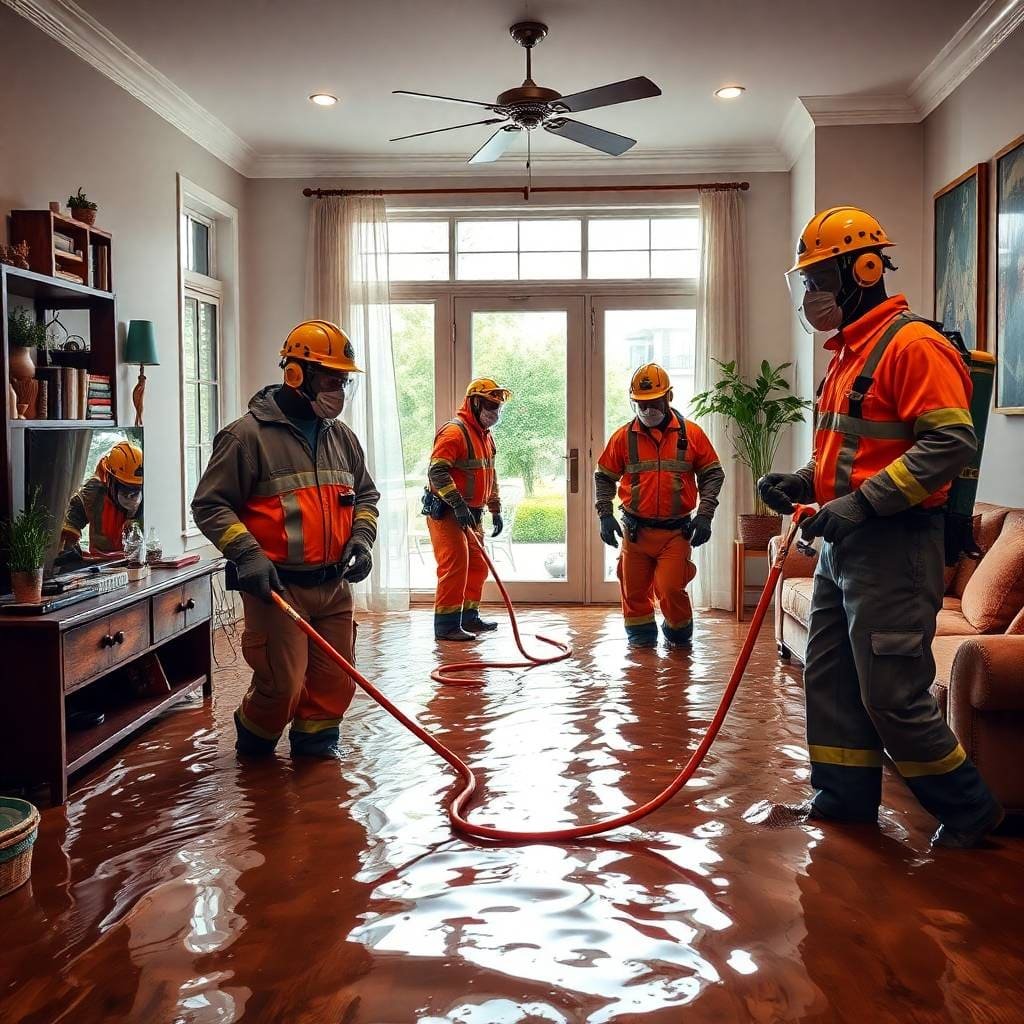
Many restoration companies use biodegradable, non-toxic cleaning solutions.
Safe Disposal of Contaminated Materials
Professionals follow EPA guidelines to safely dispose of contaminated materials, protecting both people and the environment.
Final Thoughts: Reclaiming Your Space
Flood damage can be overwhelming, but with the right professionals, your home can be restored efficiently and safely. Boise DryNest provides fast response, expert care, and a personal approach that ensures your property is revived and ready for living again.
FAQs
1. How long does flood restoration take?
Depending on damage severity, restoration can take from a few days to several weeks.
2. Is mold always present after a flood?
Not always, but mold growth is highly likely if water isn’t removed within 48 hours.
3. Will my insurance cover flood restoration?
Flood coverage usually requires a separate policy. Verify details with your provider.
4. Can I stay in my home during restoration?
Minor damage may allow you to stay, but major flooding may require temporary relocation.
5. What should I do immediately after a flood?
Turn off power, avoid water contact, document damage, and contact a professional restoration team like Boise DryNest immediately.

Thomas Joyce is a licensed Damage Restoration Expert with over 20 years of experience in property mitigation and environmental recovery. As a seasoned industry authority, Thomas has spent two decades mastering the science of disaster response, ensuring that homes and businesses are restored to the highest safety standards. His extensive tenure and technical precision make him a trusted resource for clients navigating the complexities of property loss and structural repair.
𝗖𝗲𝗿𝘁𝗶𝗳𝗶𝗰𝗮𝘁𝗶𝗼𝗻𝘀: Thomas is highly credentialed with IICRC certifications in Water Damage Restoration (WRT), Mold Remediation (AMRT), Applied Structural Drying (ASD), Odor Control, and Fire and Smoke Restoration.
𝗙𝗮𝘃𝗼𝗿𝗶𝘁𝗲 𝗣𝗮𝘀𝘁𝗶𝗺𝗲: An avid outdoorsman, Thomas enjoys fly fishing in local rivers, distance running, and practicing traditional landscape photography.
𝗕𝗲𝘀𝘁 𝗣𝗮𝗿𝘁 𝗼𝗳 𝘁𝗵𝗲 𝗝𝗼𝗯: Thomas finds the greatest reward in being a stabilizing force for families during a crisis, taking pride in the moment a devastated property once again feels like a home.