
Trusted by 195+ Homeowners
Attic Water Removal in New Plymouth, ID
- Over 195 5-Star Reviews
- Free Estimates and Quotes
- 100% Satisfaction Guaranteed
- Child, Family & Pet Safe Steps
- 24-Hour Emergency Service
- Fully Licensed & Insured
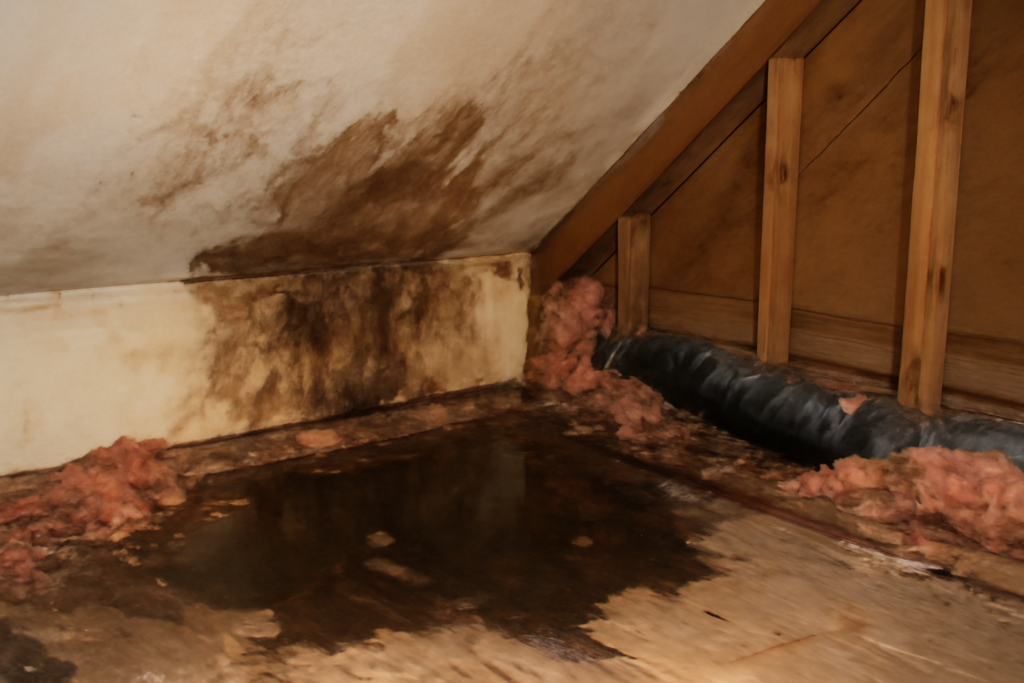
Expert Attic Water Removal in New Plymouth, ID: Your Trusted Solution
We’ve handled countless Attic Water Removal jobs in New Plymouth, ID, and surrounding areas. Our team knows the unique challenges homeowners face in this region. From heavy rainfall to aging infrastructure, we’ve seen it all. We’re not just a restoration company – we’re local experts with a deep understanding of your property’s needs.
With over 165+ five-star reviews, you can trust our team to get the job done right. Our technicians are IICRC certified and committed to providing top-notch service. When you choose us, you’re choosing peace of mind.
- We’ll identify the source of the water and create a customized plan to remove it.
- Our team uses state-of-the-art equipment to dry your attic quickly and efficiently.
- We’ll work with your insurance provider to ensure a smooth claims process.
The Attic Water Removal Process: How We Get the Job Done
When you call us for Attic Water Removal, you can expect a thorough process that focuses on your property’s safety and your sanity. We’ll get to work right away to reduce damage and prevent further issues.
Step 1: Inspection and Assessment
Our technicians will inspect your attic to identify the source of the water and assess the extent of the damage. We’ll use specialized equipment to detect hidden moisture and ensure every area is treated.
Step 2: Water Removal
Our team will use powerful pumps and vacuums to remove standing water from your attic. We’ll also use specialized equipment to dry out any affected materials.
Step 3: Drying and Dehumidification
Once the water is removed, we’ll use industrial-grade dehumidifiers to dry out your attic. This ensures your property is completely dry and free of moisture.
Step 4: Cleaning and Sanitizing
Our team will thoroughly clean and sanitize your attic to prevent mold and mildew growth. We’ll also remove any affected insulation and replace it with new, safe material.
Step 5: Restoration and Repair
Finally, we’ll repair any damaged areas and restore your attic to its original condition. This includes replacing any necessary materials, such as drywall or flooring.
Don’t let Attic Water Removal stress you out. Our team is here to help. We’ll work with you every step of the way to ensure your property is safe and secure.
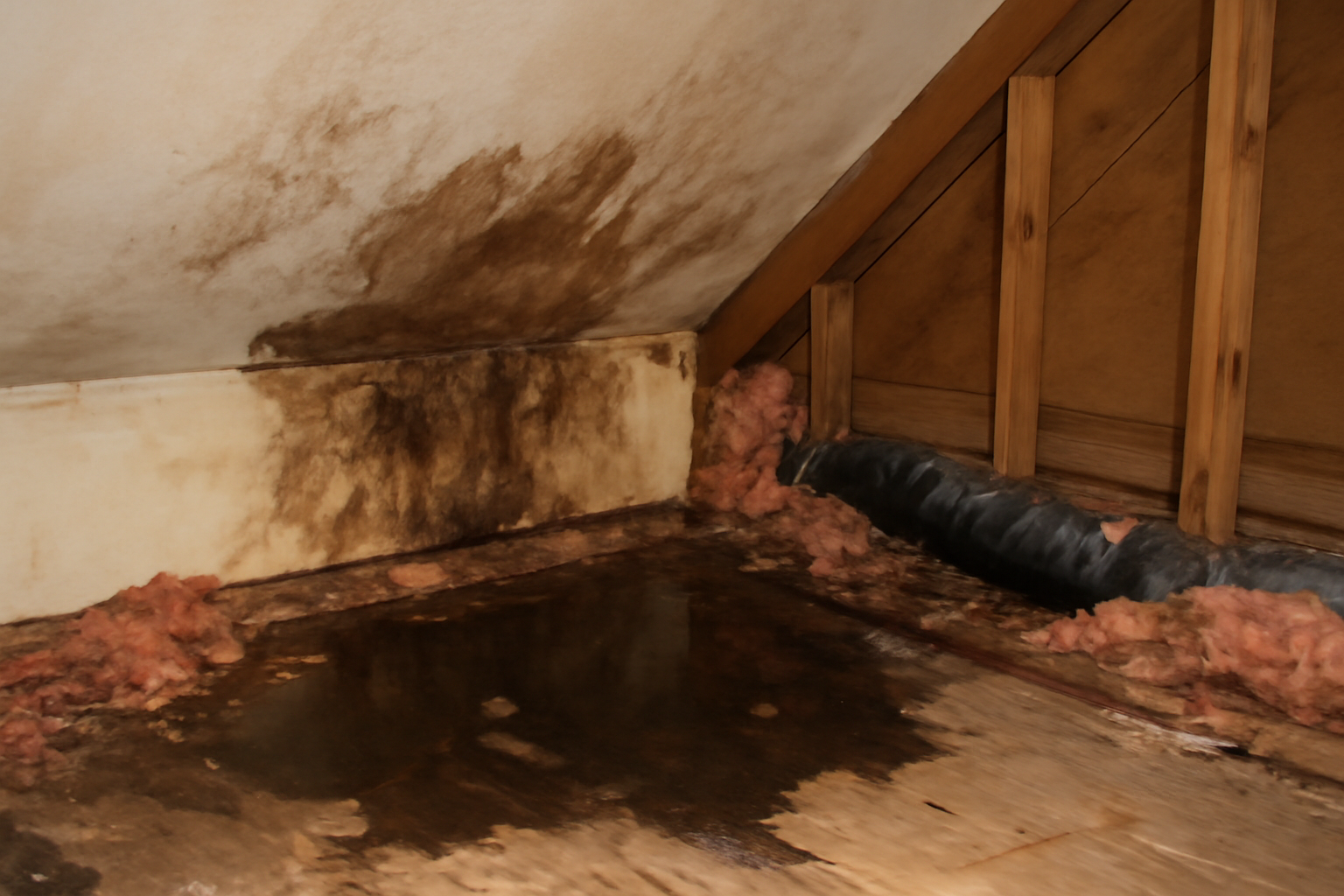
Warning Signs You Need Attic Water Removal
Ignoring these warning signs can lead to costly repairs and even health hazards. Don’t wait until it’s too late. If you notice any of the following, call us right away.
Musty Odors That Won’t Go Away
A lingering musty smell in your attic can be a sign of hidden moisture. Don’t ignore it – it’s a red flag for mold and mildew growth.
Water Stains on Your Ceiling
Water stains on your ceiling can be a sign of a larger issue. Don’t delay – call us to inspect and address the problem before it gets worse.
Visible Water Damage
If you see visible water damage in your attic, such as warped wood or soggy insulation, it’s time to call us. We’ll get to work right away to prevent further damage.
Unexplained Pests or Rodents
Unexplained pests or rodents in your attic can be a sign of hidden moisture. Don’t wait until they cause more damage – call us to inspect and address the issue.
Increased Energy Bills
Increased energy bills can be a sign of hidden moisture in your attic. Don’t ignore it – call us to inspect and address the problem before it gets worse.
Visible Mold or Mildew
Visible mold or mildew in your attic is a serious health hazard. Don’t delay – call us to inspect and address the problem right away.
Attic Water Removal vs. DIY: When To Call a Professional
| Situation | DIY? | Call a Pro? | Why |
|---|---|---|---|
| Small water leak in a contained area | Yes | No | DIY is fine for small, contained leaks. |
| Large water leak or flood damage | No | Yes | Call a pro for large-scale water removal and restoration. |
| Hidden moisture or mold growth | No | Yes | Hidden moisture and mold growth need professional expertise. |
| Water damage to electrical systems | No | Yes | Water damage to electrical systems is a serious safety hazard – call a pro. |
| Water damage to insulation or structural elements | No | Yes | Water damage to insulation or structural elements needs professional repair and replacement. |
| Unknown source of water leak | No | Yes | Call a pro to identify and fix the source of the leak. |
Don’t risk your safety and your property’s integrity by trying to tackle Attic Water Removal yourself. Call us for expert service and peace of mind.
Attic Water Removal Cost In New Plymouth, ID
The cost of Attic Water Removal in New Plymouth, ID, varies depending on the severity of the damage, the size of the affected area, and local conditions. These estimates are based on our experience and may not reflect the actual cost of your project.
| Service | Typical Price Range | What Affects Cost |
|---|---|---|
| Water removal and drying | $500 – $2,500 | Size of affected area, severity of damage |
| Insulation replacement | $1,000 – $3,000 | Size of affected area, type of insulation |
| Structural repair and replacement | $2,000 – $5,000 | Severity of damage, complexity of repair |
| Dehumidification and ventilation | $500 – $1,500 | Size of affected area, type of equipment |
| Sanitizing and cleaning | $500 – $1,000 | Size of affected area, type of materials |
| Inspection and assessment | $200 – $500 | Size of affected area, complexity of assessment |
Exact pricing depends on an on-site assessment. We offer free estimates and will work with you to create a customized plan that fits your budget.
Service Areas Near New Plymouth, ID
We serve the following nearby communities: Marsing, ID; Notus, ID; Homedale, ID; Melba, ID; Emmett, ID; Weiser, ID; Parma, ID; Caldwell, ID; Nampa, ID; Meridian, ID.
Common Questions About Attic Water Removal
Q: What causes Attic Water Removal in New Plymouth, ID?
A: Heavy rainfall, aging infrastructure, and poor ventilation can all contribute to Attic Water Removal in New Plymouth, ID. Our team will work with you to identify the source of the issue and create a customized plan to address it.
Q: How long does Attic Water Removal take?
A: The length of time required for Attic Water Removal depends on the severity of the damage and the size of the affected area. Our team will work efficiently to complete the job as quickly as possible, while ensuring a thorough and safe process.
Q: Is Attic Water Removal covered by insurance?
A: Yes, Attic Water Removal is often covered by insurance. Our team will work with your provider to ensure a smooth claims process and reduce out-of-pocket costs.
Q: Can I DIY Attic Water Removal?
A: While DIY Attic Water Removal may be possible for small, contained leaks, it’s not recommended for larger-scale water removal or hidden moisture issues. Our team has the expertise and equipment to handle even the toughest jobs.
Q: How can I prevent Attic Water Removal in the future?
A: Regular maintenance, proper ventilation, and addressing any water damage quickly can all help prevent Attic Water Removal. Our team can provide guidance on how to maintain your property and prevent future issues.
Check Our Other Relevant Services
Serving New Plymouth, ID And Nearby Areas