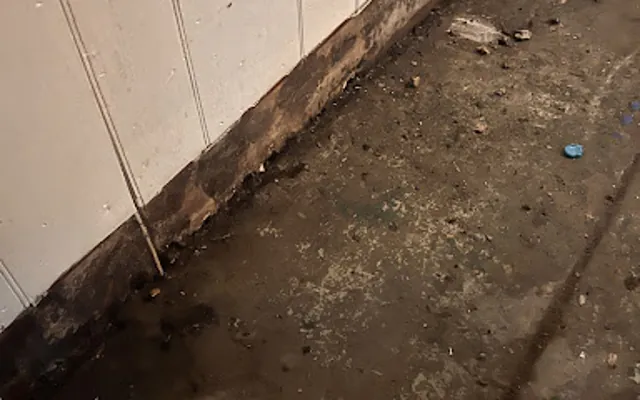
A sewer backup floods a Boise home with contaminated water that carries real health risk. Crews contain the area, extract and disinfect, and dry the structure to IICRC-standard so it is safe again.

Technicians isolate the affected area, set containment, and work in protective gear to keep contamination from spreading to clean parts of the home.
Crews extract the contaminated water and remove porous materials like carpet, pad, and soaked drywall that cannot be safely disinfected.
Hard surfaces and framing are cleaned and treated with antimicrobial products so bacteria left by the backup are addressed, not just the visible water.
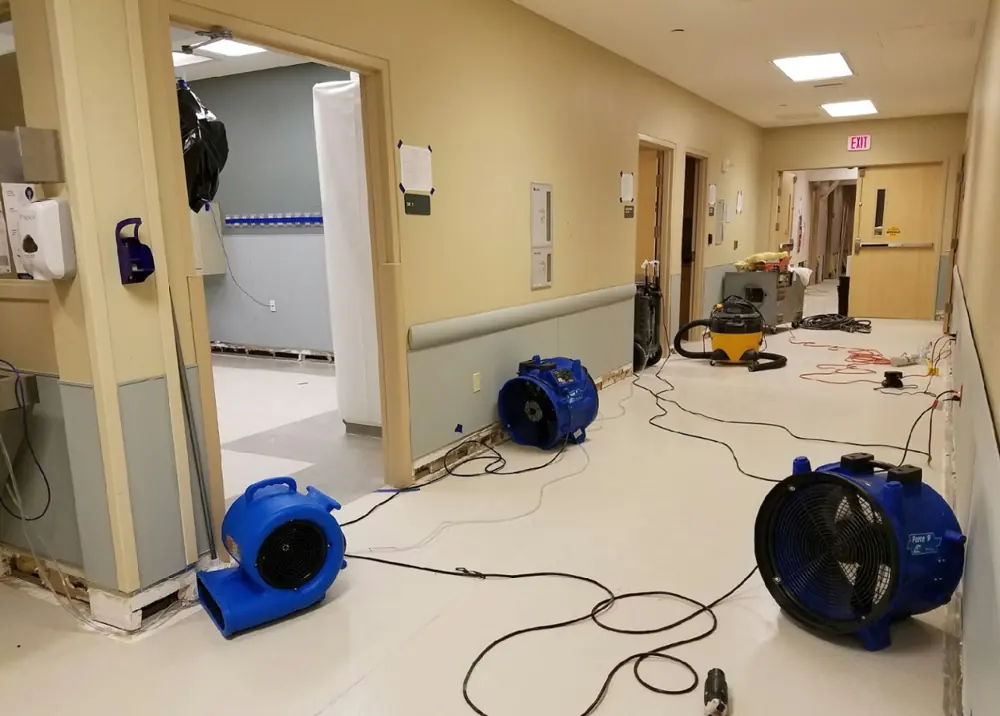
Air movers and dehumidifiers dry the structure, and moisture readings confirm the space reaches a documented dry standard before rebuild.

While help is on the way, these first steps, done only where it is safe, limit the damage and protect the insurance claim.
Shut the supply off at the source, or close the home's main valve if the source is not obvious. Stopping the flow limits the damage more than anything else.
Switch off electricity to the affected area, but only if the breaker can be reached without standing in or touching the water.
Get a crew dispatched right away. The sooner extraction and drying begin, the more flooring, drywall, and belongings can be saved.
Take photos and a short video of the water and the affected rooms before anything is moved, so the insurance claim starts strong.
Sewage backup cleanup in Boise generally runs $2,500 to $10,000, depending on how far the contaminated water spread, how much porous material must be removed, and how much disinfection and rebuild are needed. Because contamination raises the scope, it costs more than clean water jobs. Many policies cover sewer backup with a specific endorsement, and crews document everything for the carrier.
Crews reach Boise and the surrounding valley fast, from the North End, the East End, and the Benches to Garden City, Southeast Boise, Meridian, Eagle, and Kuna. See the full list on the areas served across Boise page.
See all areas servedEvery loss is photographed, measured, and logged from the first visit, so the paperwork holds up with the insurance carrier.
Technicians follow recognized IICRC drying standards and prove it with daily moisture readings on Boise homes, not guesswork.
Emergency dispatch any hour of the day or night, with a real crew on the way across the valley, not a callback in the morning.
A real crew dispatched any hour, not a callback in the morning.
Trained technicians following recognized IICRC drying standards.
Truck-mounted, portable, and submersible for any size loss.
The loss is documented and billed to the carrier directly.
Yes. It is category three water, meaning it carries bacteria and pathogens that pose a real health risk. It should not be handled without protection, and porous materials it soaks usually must be removed rather than just cleaned, because disinfecting the surface alone will not make them safe.
Keep people and pets away from the contaminated area, avoid using water that drains into the affected line, and call for professional cleanup. Do not try to mop or shop-vac it yourself, because the health risk and the spread of contamination call for proper containment and disinfection.
Many standard policies exclude sewer and drain backups unless you carry a specific backup endorsement, so coverage varies. Crews document the source, the contamination, and the moisture readings thoroughly so you can present the clearest possible claim to your carrier.
Clearing tree roots from the lateral, avoiding grease down the drains, and installing a backwater valve are the strongest steps in older Boise neighborhoods. Crews will note whether roots, buildup, or an overwhelmed system caused this one so a qualified plumber can target the fix.
Boise crews are on call 24 hours a day, local and fast, and can be on the way within the hour.
Call (208) 269-9151