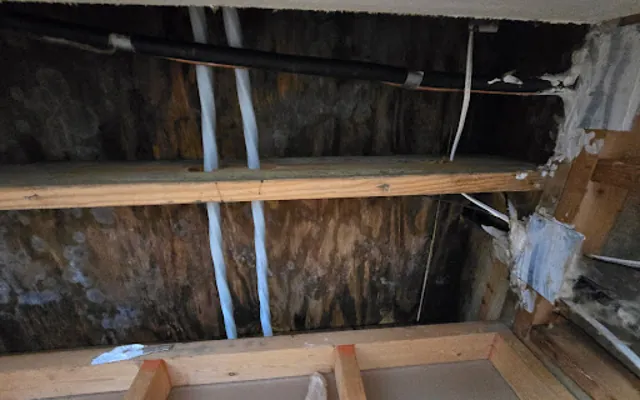
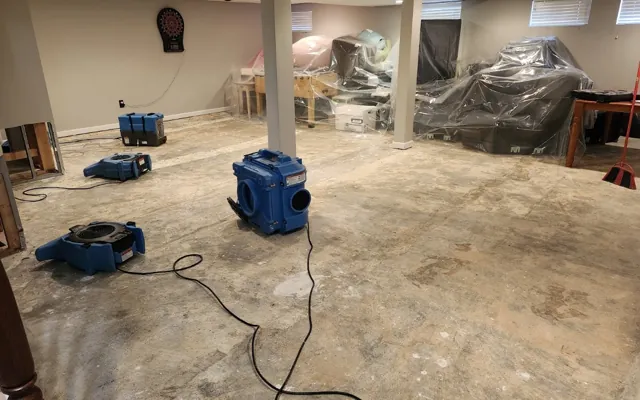
In Warm Springs Mesa, ID, meltwater from ice dams can travel from the roof deck to the interior finishes fast. Local crews respond quickly to limit spread, using IICRC-standard methods to dry the structure and document the loss.

Technicians start by finding exactly where meltwater is entering from the roof. They contain active drips and check the attic and wall tops to see how far the water has traveled into the home's structure.
The crew extracts any standing water and removes insulation or ceiling material too saturated to dry properly. This step prevents mold and limits further damage to the home's interior finishes and framing.
Air movers and dehumidifiers dry the roof deck, framing, and remaining materials. Moisture readings guide the process until each area meets a documented dry standard, providing a clear record.

Ice dam water damage in Warm Springs Mesa typically runs $1,500 to $7,500, depending on how much meltwater entered, how much insulation and ceiling were soaked, and whether the intrusion repeated over several thaw cycles. Crews document the source and moisture readings so a sudden covered loss is clearly supported for the carrier, and they can flag the ventilation fix that prevents a repeat.
In Warm Springs Mesa, ID, newer homes on sloped lots face a specific winter threat. When snow melts on a warm roof section and refreezes at the cold eave, it dams meltwater. That water backs up under the shingles, soaking the roof deck, attic insulation, and eventually ceilings and walls in these foothills homes. The high-desert climate brings cold, snowy winters followed by sunny thaws. On Warm Springs Mesa, this cycle creates ice dams, especially where attic warmth meets cold roof edges. Runoff from the sloped lots can complicate drainage during rapid snowmelt. From Warm Springs Mesa, crews also cover nearby Glenwood Rim, South Cole, Pierce Park, Southeast Boise, West Bench, Collister. See every neighborhood and town on the full service area page.
See all areas servedEvery loss is photographed, measured, and logged from the first visit, so the paperwork holds up with the insurance carrier.
Technicians follow recognized IICRC drying standards and prove it with daily moisture readings on Warm Springs Mesa homes, not guesswork.
Emergency dispatch any hour of the day or night, with a real crew on the way across the valley, not a callback in the morning.
A real crew dispatched any hour, not a callback in the morning.
Trained technicians following recognized IICRC drying standards.
Truck-mounted, portable, and submersible for any size loss.
The loss is documented and billed to the carrier directly.
Costs in the Boise area typically range from $1,500 to $7,500. The final amount depends on how much water entered, how much insulation and drywall were soaked, and whether the intrusion happened over several thaw cycles. Local crews document everything to support the insurance process.
They form when heat from the attic melts snow on the roof. The water runs down and refreezes at the colder eaves, creating a dam. Subsequent meltwater backs up under shingles. Attic warmth, often from poor insulation or ventilation, is a key factor in these foothills homes.
Crews are on call 24 hours a day and can be on the way to Warm Springs Mesa within the hour.
Call (208) 269-9151