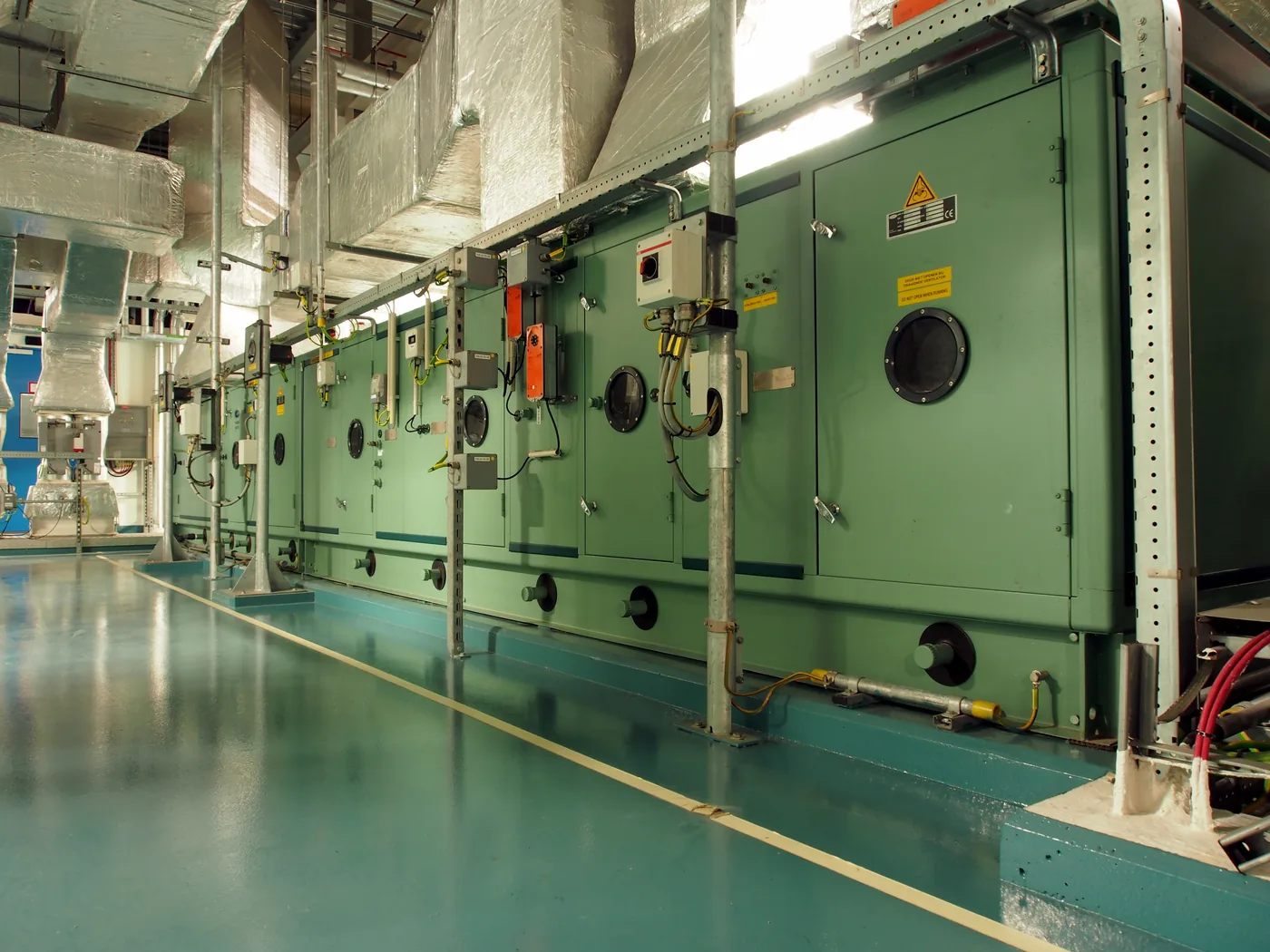
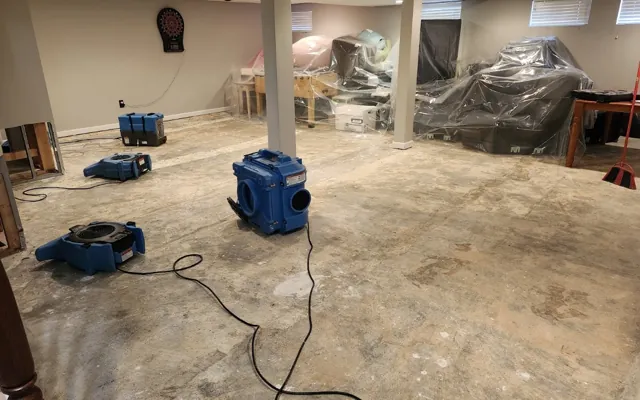
When an HVAC drain pan overflows or a condensate line clogs in a North End, ID home, local crews respond fast to trace the drip, dry the structure, and follow IICRC-standard methods to prevent mold in basements and ceilings.

Technicians first locate the source of the moisture, which is often a blocked condensate drain line or an overflowing pan near the furnace in the basement. They clear the immediate issue to ensure the system is dry before starting restoration.
Crews extract any pooled water from around the unit or in ceiling cavities. They carefully remove wet plaster, drywall, or insulation that is too saturated to dry properly, preventing further damage to the historic home's structure.
Using air movers and dehumidifiers, the team dries the wooden framing and cavity around the HVAC equipment. They take regular moisture readings to track progress until the area meets a documented dry standard, ready for repair.

HVAC condensation damage cleanup in North End usually runs $700 to $3,800, depending on how long the drip ran, how much ceiling and framing are soaked, and whether mold treatment is needed. A caught clog sits low, while a season of dripping into a ceiling costs more. Crews document the source and readings so a sudden covered loss is supported for the carrier.
In the North End's historic bungalows, aging basements and attic HVAC systems are vulnerable to slow leaks from condensate drains. A clogged line or a failing pan can drip for weeks, soaking plaster ceilings and wooden framing behind walls before a stain appears. This hidden moisture demands a specific response to prevent rot and mold in these older homes. Older North End homes often have HVAC systems in basements or attics with aging condensate lines. The area's cold winters can cause lines to freeze, while summer AC use pushes condensation through drains that may be clogged with sediment from the old plumbing. From North End, crews also cover nearby East End, West End, Boise Heights, Lusk District, South Boise Village, Central Bench. See every neighborhood and town on the full service area page.
See all areas servedEvery loss is photographed, measured, and logged from the first visit, so the paperwork holds up with the insurance carrier.
Technicians follow recognized IICRC drying standards and prove it with daily moisture readings on North End homes, not guesswork.
Emergency dispatch any hour of the day or night, with a real crew on the way across the valley, not a callback in the morning.
A real crew dispatched any hour, not a callback in the morning.
Trained technicians following recognized IICRC drying standards.
Truck-mounted, portable, and submersible for any size loss.
The loss is documented and billed to the carrier directly.
Drying time depends on how long the leak ran and the materials involved. In a North End bungalow with plaster and lathe, it typically takes 3 to 5 days of focused drying with professional equipment. Crews monitor moisture levels daily until the framing and cavity meet the dry standard.
Many sudden and accidental water damage events from HVAC systems are covered, but policies vary. Local crews document the source, cause, and all drying readings meticulously. This documentation helps support a covered loss claim with your insurance carrier for a swift resolution.
Crews are on call 24 hours a day and can be on the way to North End within the hour.
Call (208) 269-9151