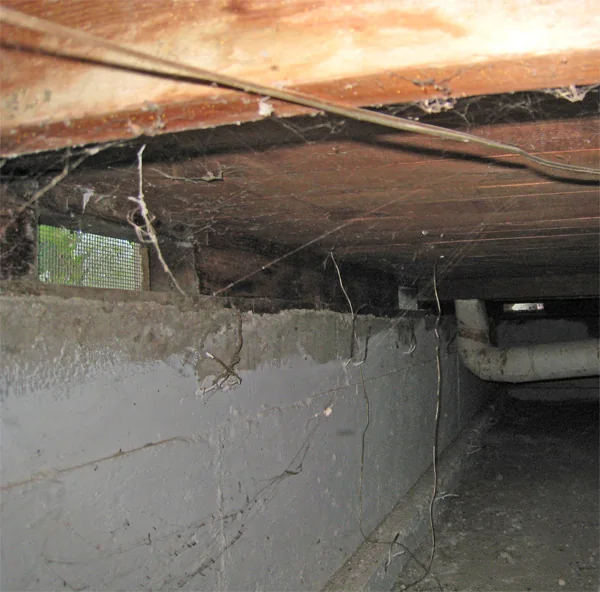
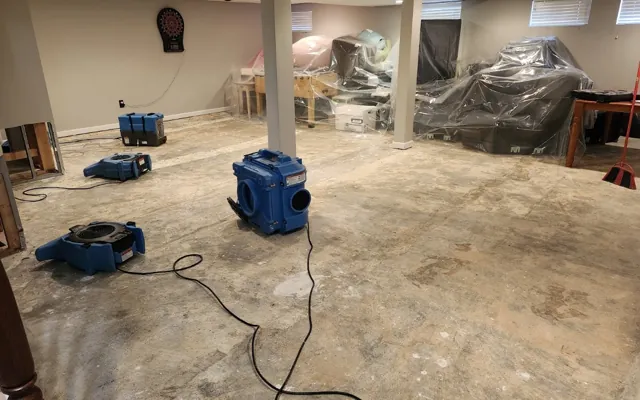
When a crawlspace floods in Lusk District, ID, local crews respond fast to pump water and dry the structure. They follow IICRC-standard methods to protect the foundation and air quality of older homes in this low-lying neighborhood near the Boise River.

Technicians in Lusk District enter the crawlspace to identify the water source, whether from seepage or a broken pipe. They pump out all standing water and clear away any saturated debris or damaged vapor barrier from the soil.
Using low-profile air movers and dehumidifiers, the crew dries the wooden joists, subfloor, and the soil surface itself. Moisture readings are taken regularly to guide the process until a documented dry standard is reached for the Lusk District home.
The team cleans and treats any framing where mold growth is a concern. They can install a new vapor barrier and will flag any persistent issues, like poor drainage or grading, that a qualified contractor should address to prevent future problems.

Crawlspace water removal in Lusk District typically runs $1,200 to $6,000, depending on how much water collected, how tight the access is, and whether joists and subfloor need drying and treatment. A clean seepage job costs less than one involving a plumbing leak or mold. Crews document the source and moisture readings so a sudden covered loss is clearly supported for the carrier.
The Lusk District sits on low ground near the Boise River, an area where older homes and student housing often have basements and crawlspaces that take on water during spring high water. These spaces are vulnerable to seepage and leaks from aging plumbing, making quick water removal a priority to prevent structural damage and mold. In Lusk District, ID, low elevation near the river brings spring seepage into crawlspaces. Older supply lines in the neighborhood's vintage homes can also split during Boise's cold, snowy winters, leading to sudden plumbing leaks that need immediate attention. From Lusk District, crews also cover nearby West End, North End, East End, Boise Heights, South Boise Village, Central Bench. See every neighborhood and town on the full service area page.
See all areas servedEvery loss is photographed, measured, and logged from the first visit, so the paperwork holds up with the insurance carrier.
Technicians follow recognized IICRC drying standards and prove it with daily moisture readings on Lusk District homes, not guesswork.
Emergency dispatch any hour of the day or night, with a real crew on the way across the valley, not a callback in the morning.
A real crew dispatched any hour, not a callback in the morning.
Trained technicians following recognized IICRC drying standards.
Truck-mounted, portable, and submersible for any size loss.
The loss is documented and billed to the carrier directly.
Drying a crawlspace in Lusk District typically takes 2 to 4 days. The timeline depends on the amount of water, the materials involved, and local humidity. Crews use moisture meters to track progress daily until the space meets the dry standard.
Costs in Boise, including for Lusk District jobs, often range from $1,200 to $6,000. A simpler seepage cleanup costs less, while a job involving a major plumbing leak, tight access, or mold treatment will be toward the higher end of that range.
Crews are on call 24 hours a day and can be on the way to Lusk District within the hour.
Call (208) 269-9151